
Tripindi Shraddh
Offered for three generations of ancestors on both sides, and for souls with unrest or untimely death. Performed with full Vedic vidhi.
Ask about thisA journey of remembrance. Best experienced with sound on.
पिंडदान · गया, बिहार
Pind Daan at Gaya Ji, where the Phalgu flows and Vishnu’s footprint waits. Guided rituals, trusted pandits, and care for your family at every step.
We are a Gaya-based team of pandits and local guides. Our work is simple: to make the journey calm for you, so you can give your full attention to your ancestors.
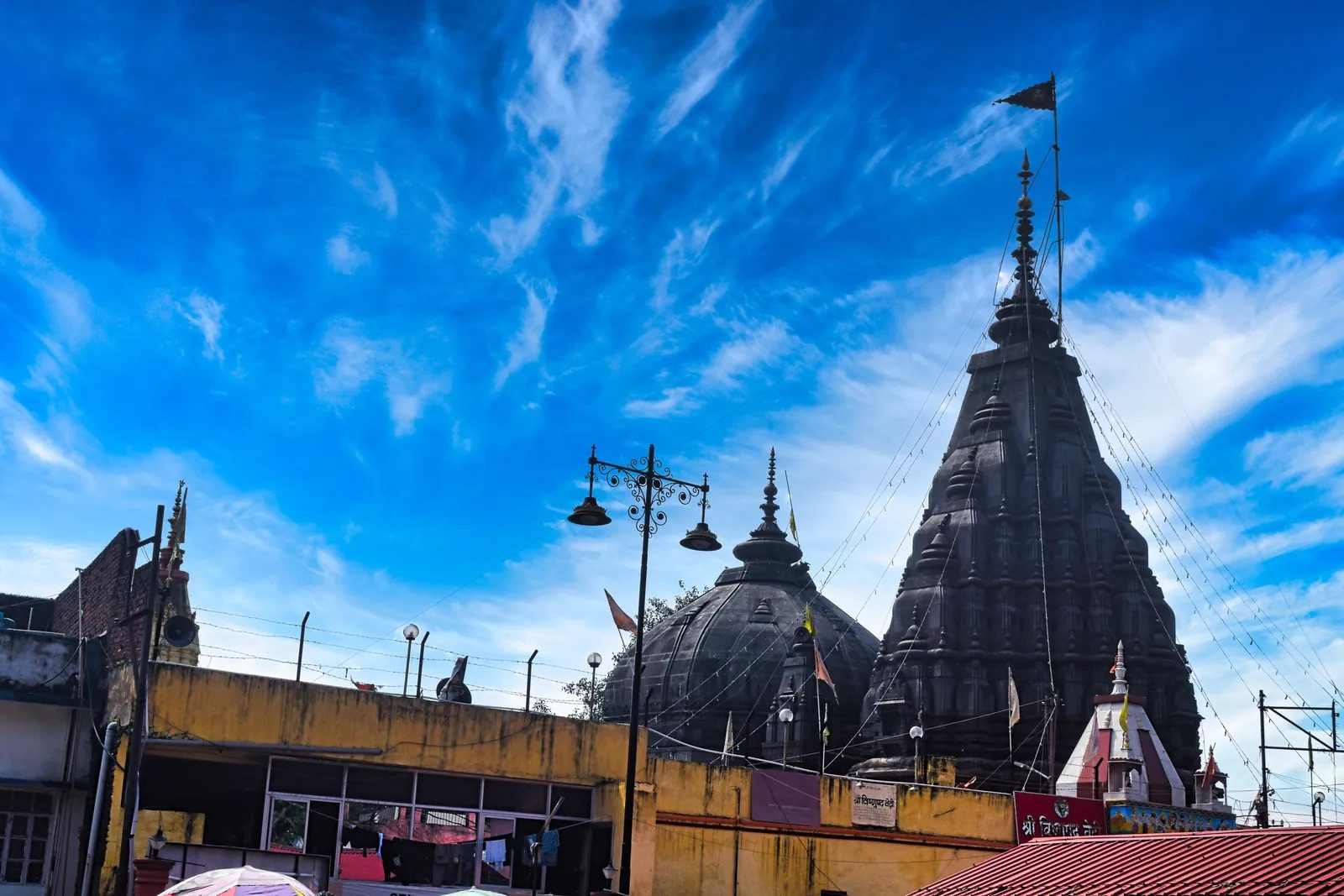
Among all places of shraddha, Gaya is called the one that completes the rite. This is how the tradition tells it.
Long ago lived Gayasur, a devoted demon whose penance was so pure that anyone who saw or touched him was freed from sin. The gods grew anxious: the cycle of karma itself was breaking.
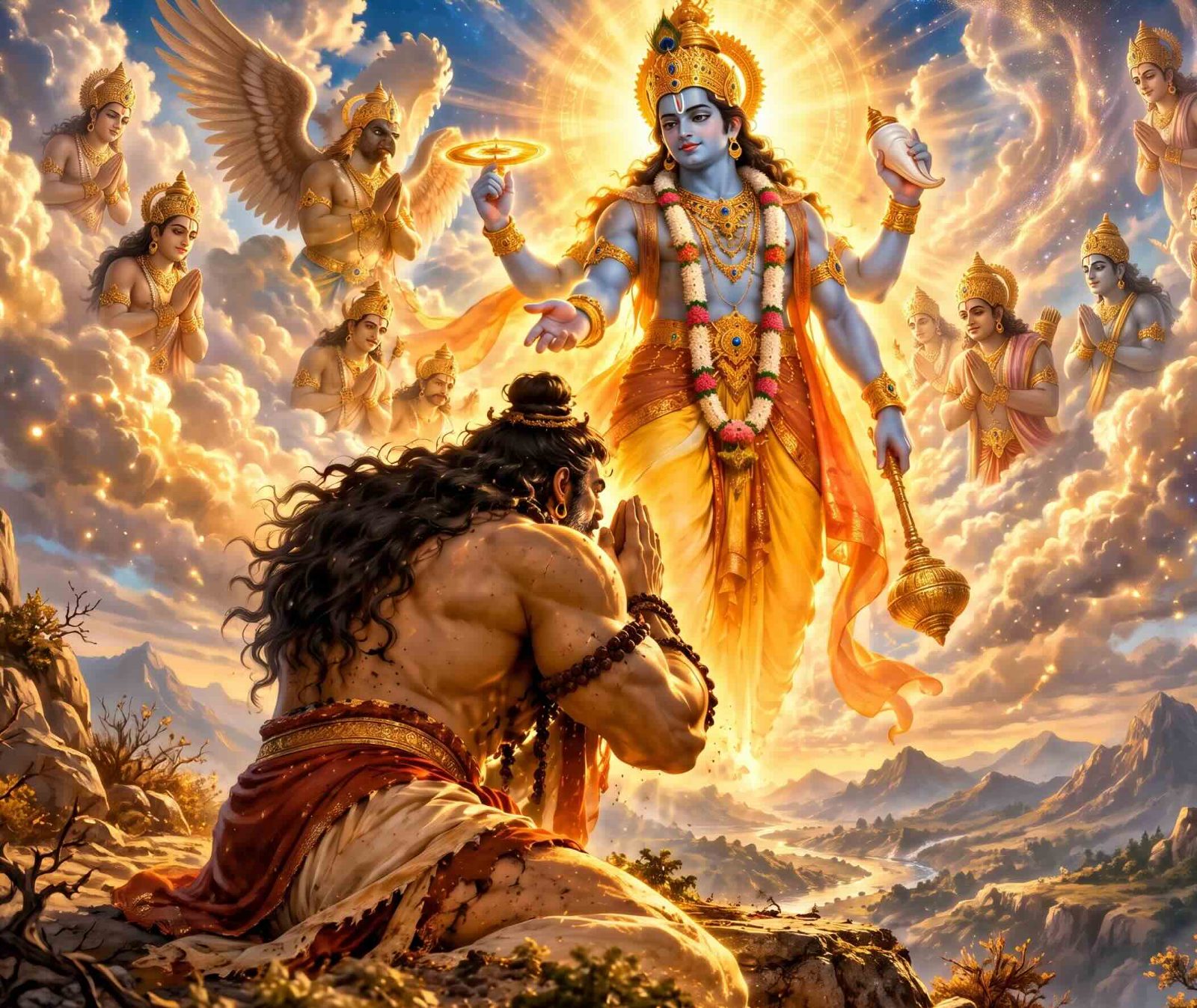
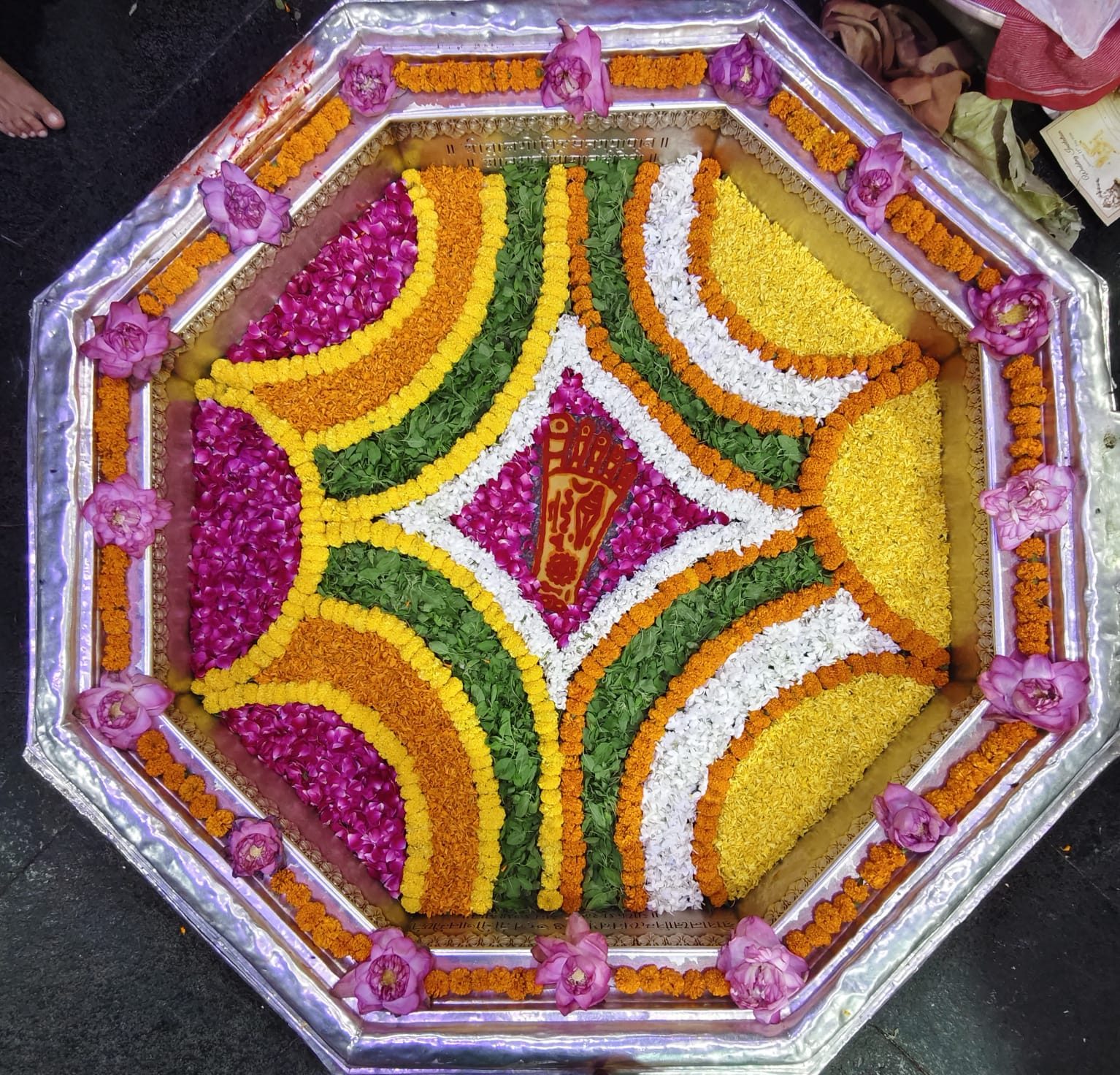
The gods asked for his body as ground for a great yajna. Lord Vishnu pressed his foot upon Gayasur and settled him into the earth. Gayasur asked for one boon: that this land stay sacred, and that rites done here free ancestors forever. The footprint remains today as Vishnupad.
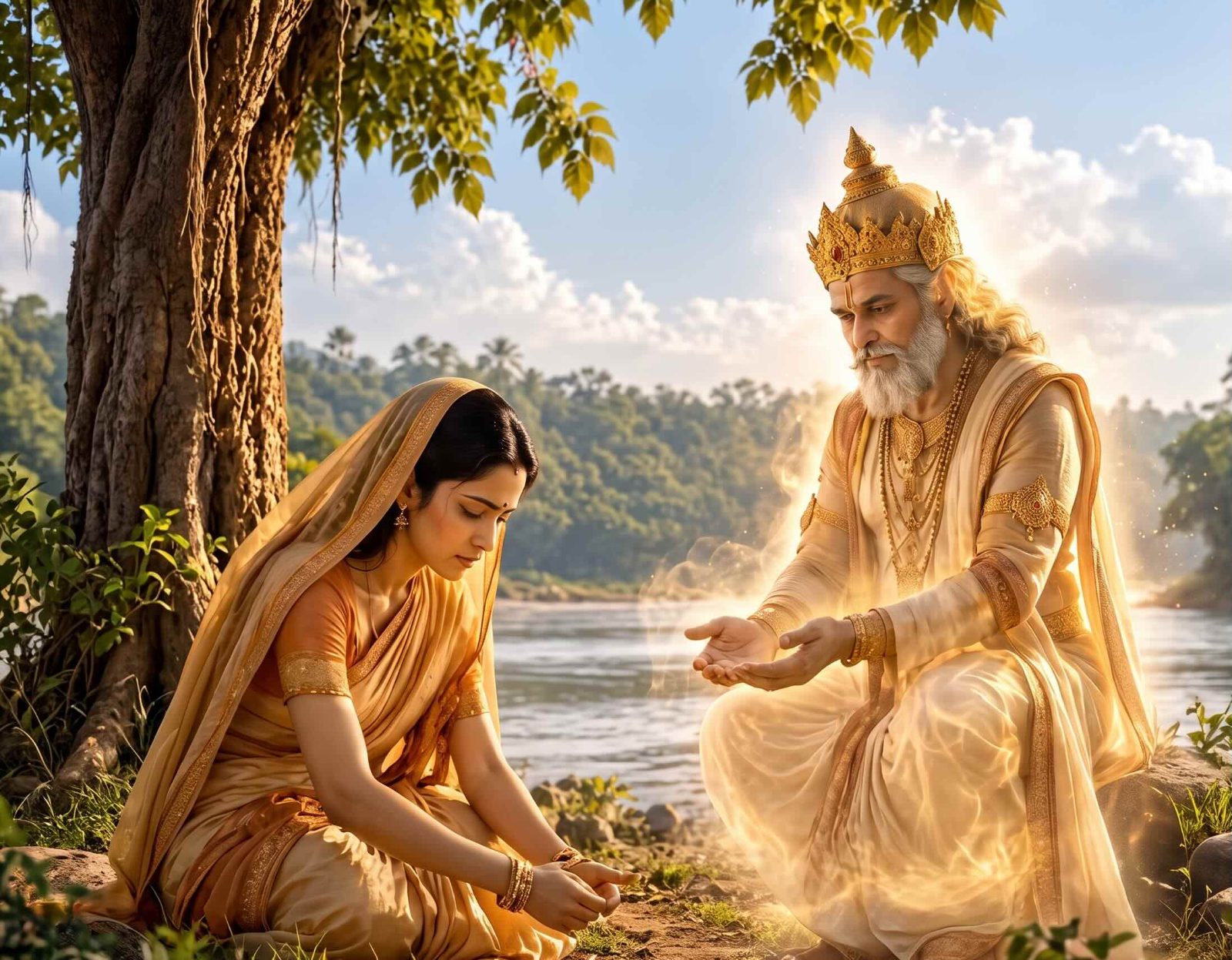
In the Ramayana, Ram and Lakshman left Sita at the banks of the Phalgu to gather materials. King Dasharath’s spirit appeared and asked for pind at once. With only river sand, Sita offered it, and the Phalgu, a cow, a Brahmin and the Akshayavat tree were her witnesses.
Every year, families from across India and the world come to the same ghats, to the same banyan and the same footprint, to say thank you to those who came before them.
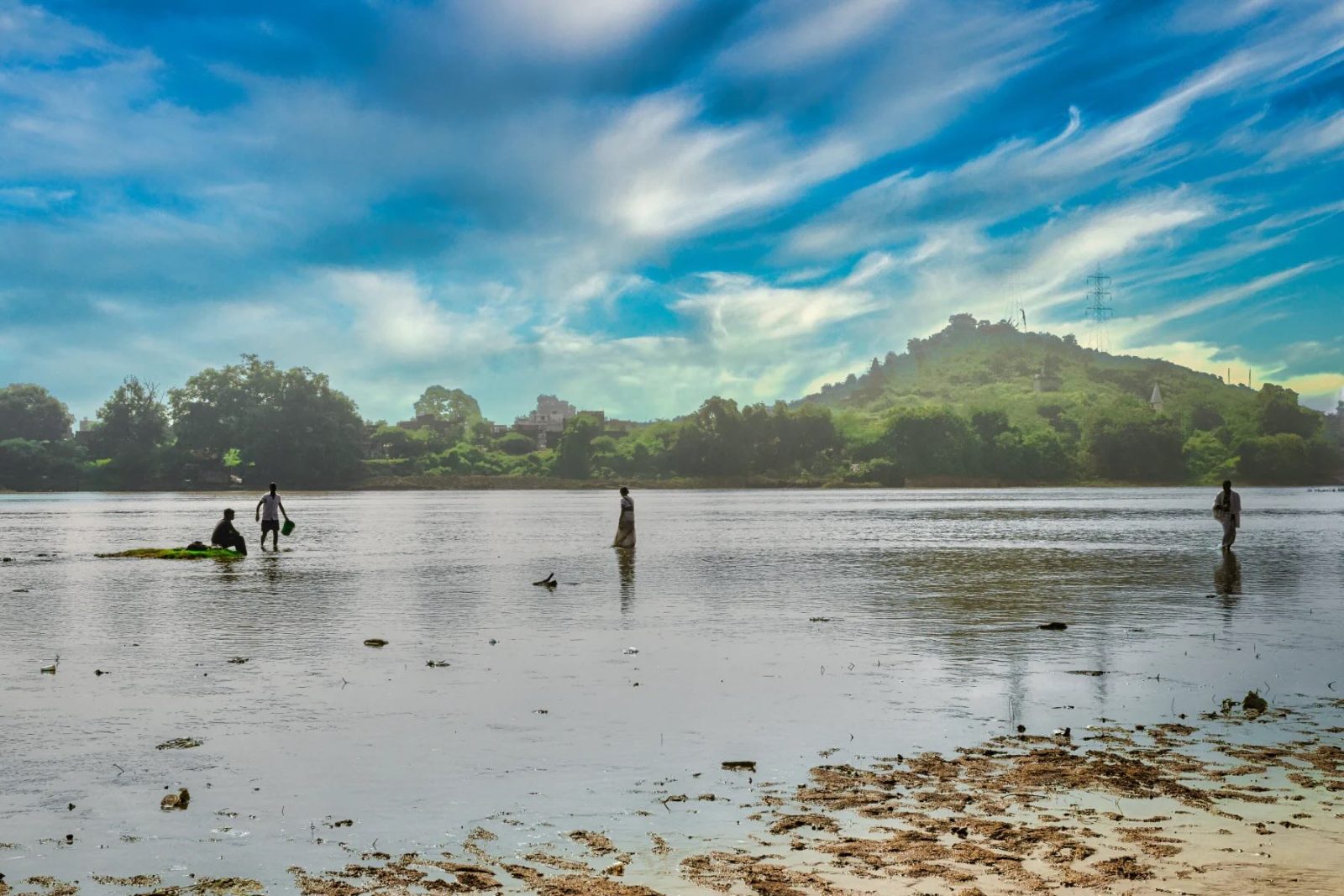
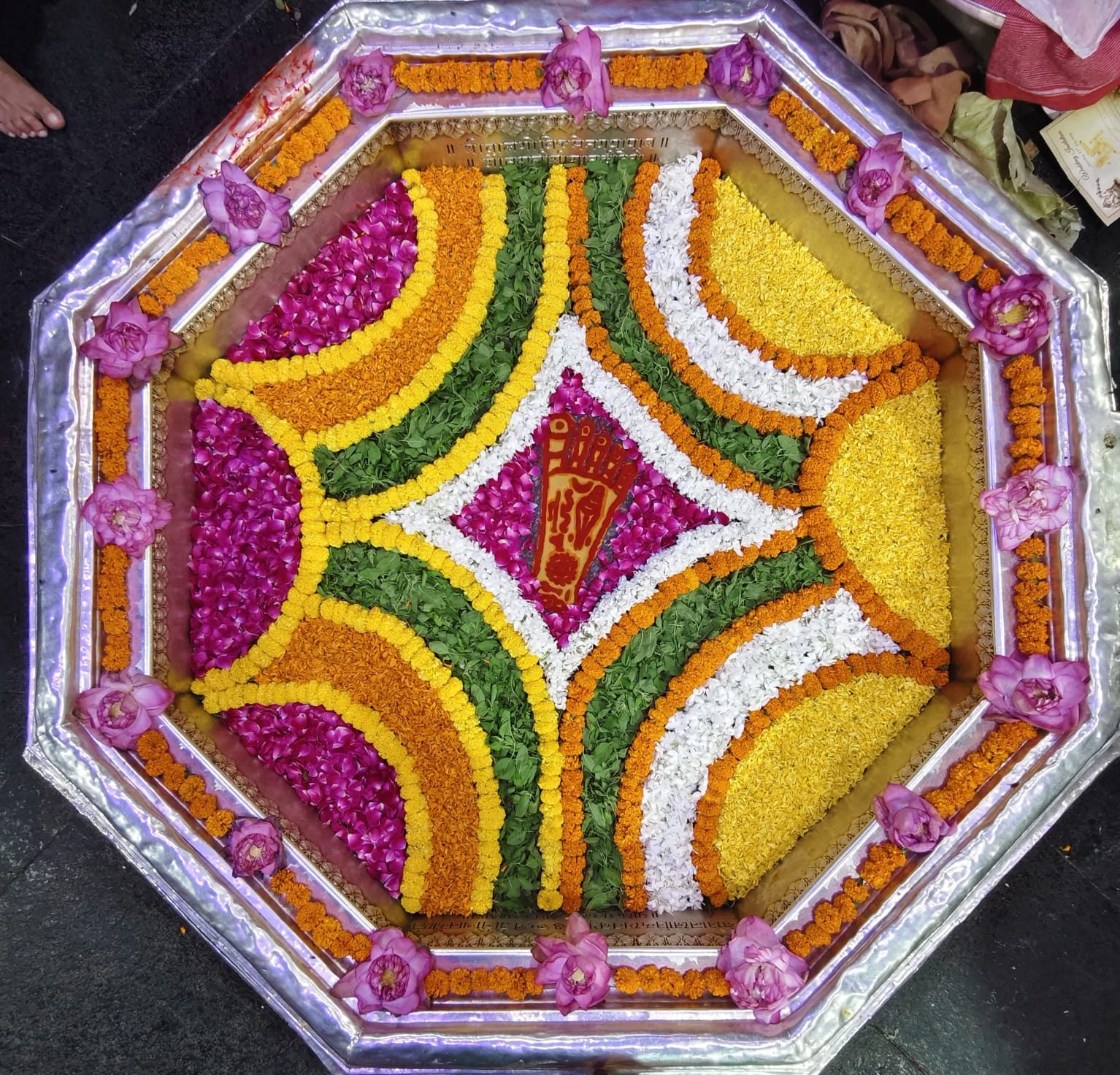
‘Pind’ is a ball of rice, barley flour and sesame. ‘Daan’ is giving. Together they say: you gave us life, and we remember you.
The full cycle can take 1 to 17 days. These are the key stages.
Begin with a vow and a bath in the Phalgu river, naming the ancestors you remember.
Offer water mixed with sesame and barley to the departed, with mantras led by your pandit.
Rice-flour and sesame pind are placed on the sacred vedis, around the footprint of Vishnu.
Climb the hills to offer pind at places associated with liberation from wandering spirits.
The final offering beneath the eternal banyan, ending with the Sudfal blessing.
Choose a single ritual or a complete plan. We will tailor it to your family’s custom and time.
Offered for three generations of ancestors on both sides, and for souls with unrest or untimely death. Performed with full Vedic vidhi.
Ask about thisWater offerings with sesame and barley at the Phalgu ghat, to satisfy and honour departed ancestors.
Ask about thisA traditional meal and dakshina for learned Brahmins, which completes the shraddha and carries the family’s blessings.
Ask about thisThe complete cycle of pind at the sacred vedis, planned for 1, 3, 7 or 17 days.
Ask about thisA sacred ritual performed for the peace and liberation of departed souls, seeking relief from ancestral unrest and spiritual obstacles, guided by your pandit.
Ask about thisPick-up, clean rooms near the temple, vegetarian food and a local guide so your family can focus on the ritual.
Ask about thisThe people who will stand beside your family at the ghat.
Leads every major ritual. Belongs to a Gayab family serving Vishnupad for generations.
All languagesSpecialist in Tripindi Shraddh and Pitru Dosh Shanti, known for patient explanation of each step.
All LanguagesThe 40 cm footprint of Vishnu in basalt, the heart of every Gaya shraddha.
A river that flows mostly beneath its sand. Sita’s curse and blessing live here.
The ‘undying’ banyan where the last pind and Sudfal are offered.
A climb of about 440 steps with a wide view over Gaya.
Where offerings are made for those who left life suddenly or untimely.
Places tied to Ram and Sita’s visit in the Ramayana.
Water, sesame and remembrance.
Real reviews from people who made this journey with us.
We visited Gaya for my grandmother’s Pind Daan, and the entire experience was conducted with great devotion and sincerity by the Pandit ji. His chanting of the Vedic mantras was extremely peaceful and powerful, and he explained the rituals clearly, which helped us understand the significance of each step. The atmosphere he created was calm, spiritual, and very respectful.Truly a blessed experience.
Very Divine experience and such a warm regards from Abhishek Gayabji in gaya ji. Please contact him before going to gayaji
We had a wonderful experience in Gaya Ji. Abhishek Ji guided us throughout the Pind Daan rituals with great care and devotion. His hospitality, humble nature, and knowledge of the rituals made everything smooth and meaningful. Highly recommended for anyone visiting Gaya Ji.
A truly memorable and peaceful experience at Gaya Ji. Abhishek Ji welcomed us warmly and explained every ritual with patience and respect. His dedication and hospitality made our visit even more special. I would definitely recommend contacting him before visiting Gaya Ji.
Pitru Paksha (Sept–Oct) is most auspicious. Book early; ghats and hotels fill weeks ahead. Winter months are calm and comfortable.
Train to Gaya Junction, fly to Gaya Airport, or drive about 100 km from Patna. We can arrange pick-up.
Light cotton clothes, a towel for the Phalgu bath, ID, ancestors’ names and gotra, and a water bottle.
Experienced pandits, ritual materials, stay and local guidance in Hindi, Bhojpuri and English.
A shraddha ritual in which rice, barley flour and sesame are shaped into balls (pind) and offered with water to ancestors, asking peace and liberation for them.
Pitru Paksha, the fortnight in Bhadrapad–Ashwin (September–October), is the most auspicious and also the busiest. The ritual is performed throughout the year, with quieter ghats outside Pitru Paksha.
Traditions range from a 1-day shraddha to 3, 7 or 17 days covering all vedis. Your pandit will suggest one based on your time and family custom.
Traditionally the eldest son, but any family member, including daughters and daughters-in-law, may do it with guidance from a qualified priest.
Simple, modest clothes (white or light), your ancestors’ names and gotra, and an ID card. Samagri such as sesame, barley, flour and flowers is usually arranged by the pandit.
Gaya Junction is a major railway station, Gaya Airport (Bodh Gaya) has flights, and Patna is roughly 100 km away by road.
Tell us your dates and the number of people. We will reply with a clear plan and cost.